
Introduction — The Rise of the InfluencersGoBeWild Era
The digital age has transformed how fame is created, consumed, and sustained. Once, celebrity status was limited to Hollywood stars and world-class athletes. Today, however, a new kind of fame dominates — one born not on movie screens but on mobile screens. Platforms like TikTok, Instagram, YouTube, and X (formerly Twitter) have democratized stardom, allowing anyone with a smartphone and creativity to capture the world’s attention. Yet with this new freedom has come a new kind of chaos — a trend now widely recognized as “InfluencersGoBeWild.”
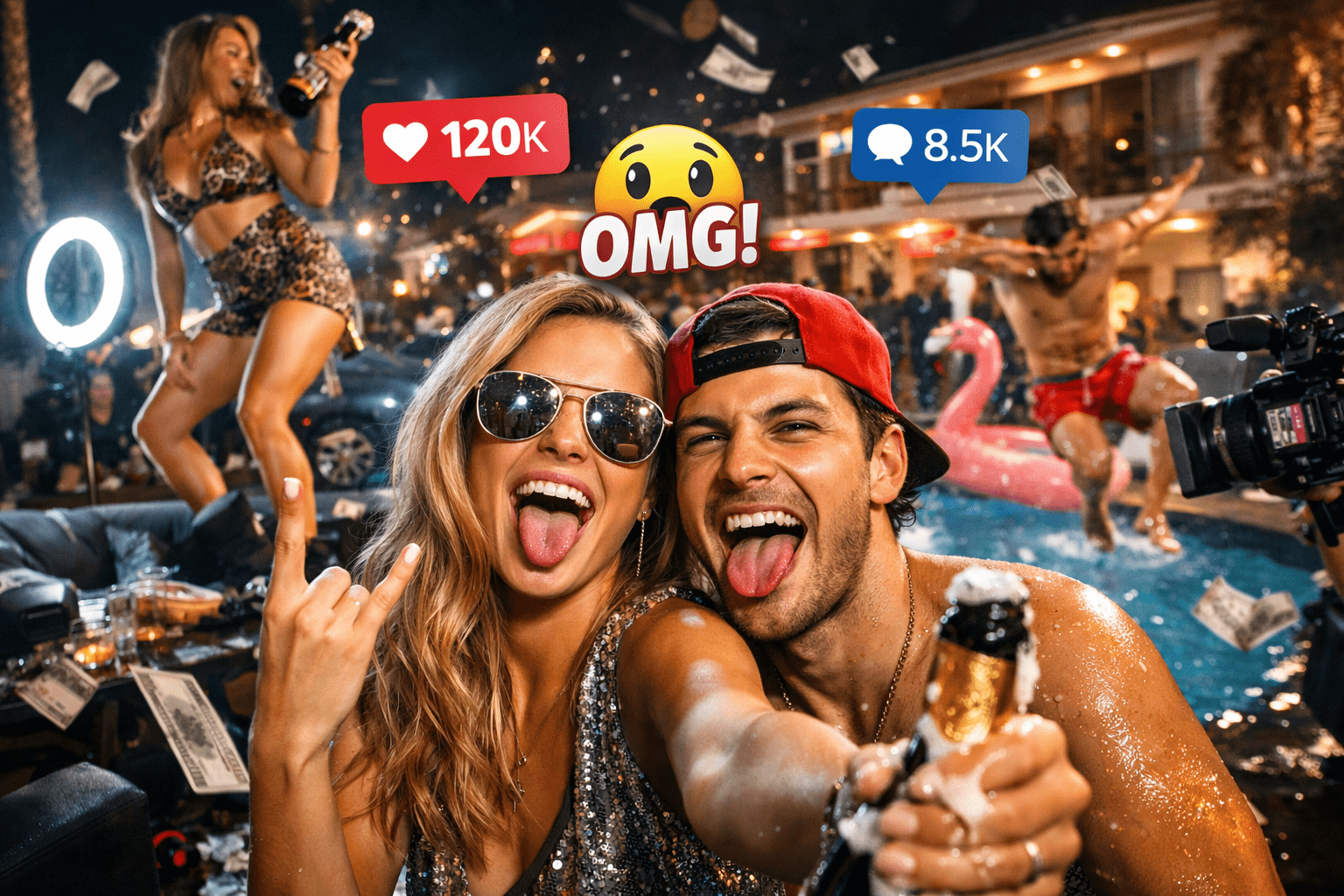
The phrase InfluencersGoBeWild refers to a growing cultural and digital phenomenon where online creators abandon carefully curated perfection for unpredictable, emotionally charged, and often shocking displays of authenticity. It reflects the volatile intersection of algorithm-driven fame, mental health struggles, and public pressure. In 2025, as competition for attention intensifies, even the most polished creators are taking extreme steps to remain relevant in an oversaturated market.
This isn’t just another viral meme — it’s a mirror reflecting the deeper cracks within the creator economy. What we’re seeing is the collision between human vulnerability and algorithmic demand. Online influencers are not merely entertainers; they’re entrepreneurs, public figures, and digital workers — constantly performing for likes, views, and validation. But in that pursuit, many cross a line where performance turns into pressure, and authenticity becomes spectacle.
In this comprehensive exploration, we’ll uncover how InfluencersGoBeWild became the defining trend of modern influencer culture — from the forces that fuel it to the consequences that follow. We’ll examine why creators are going “wild,” what it reveals about digital society, and how this viral chaos is redefining fame and the future of online creators worldwide.
The Evolution of Digital Fame — From Aspiration to Algorithmic Addiction
The concept of fame has evolved more in the past decade than in the previous hundred years.
In the pre-digital era, fame was exclusive — granted only to actors, athletes, musicians, and political figures who were carefully curated and managed by traditional media. But with the rise of social media platforms like YouTube, Instagram, TikTok, and Twitch, that gatekeeping disappeared. Suddenly, anyone could share their life, talent, or opinion — and potentially go viral overnight.
This democratization of attention gave birth to the influencer economy, a billion-dollar industry where content creators transformed personal brands into profitable businesses. The InfluencersGoBeWild trend, however, reveals the darker side of this evolution — a shift from aspiration to addiction, from creative freedom to algorithmic dependence.
The Early Age of Influencers (2010–2015): The Dream of Digital Stardom
In the early days of influencer marketing, success was built on authenticity and connection. Creators like early YouTubers and lifestyle bloggers focused on relatability — makeup tutorials filmed in bedrooms, daily vlogs about ordinary routines, and heartfelt storytelling.
The audience rewarded honesty, not perfection.
Back then, the term “influencer” didn’t carry the weight it does today. It meant being passionate, consistent, and human. Fame was still seen as achievable but meaningful — driven by community and creativity, not chaos.
The Golden Era (2016–2020): Influencer Marketing Becomes a Business
As social platforms matured, brands began partnering with influencers, realizing that people trusted online creators more than traditional ads. The rise of sponsorships, affiliate marketing, and brand collaborations turned influencers into entrepreneurs.
Platforms introduced monetization features — YouTube AdSense, Instagram brand deals, TikTok Creator Fund, and Patreon memberships — giving creators real financial incentives to produce content full-time.
However, this period also marked the birth of content pressure. Success became tied to numbers: followers, views, engagement rates, and virality. Algorithms began dictating who was seen and who was ignored.
For many creators, this triggered what psychologists now call algorithmic anxiety — the constant fear of being “buried” by the platform if they didn’t post enough, engage enough, or shock enough.
The Viral Era (2021–2023): When Perfection Lost Its Power
By 2021, audiences began craving something new. After years of picture-perfect Instagram aesthetics, users grew tired of filters and fakeness. The rise of short-form video platforms like TikTok accelerated this shift — prioritizing spontaneity over strategy and authentic chaos over polished branding.
This new demand for realism pushed influencers to “break the mold” — posting emotional rants, messy behind-the-scenes moments, or controversial takes just to prove they were “real.” But that hunger for authenticity quickly became a double-edged sword.
The more creators revealed, the more audiences expected. The result? Emotional exhaustion, burnout, and dramatic public breakdowns — the early seeds of the InfluencersGoBeWild phenomenon.
The Modern Stage (2024–2025): Viral Chaos as a Business Model
In today’s creator economy, chaos sells.
A viral meltdown can generate millions of views, new followers, and even brand deals disguised as redemption arcs. Some creators have learned to monetize controversy, turning personal crises into profitable content.
Platforms, too, play a part — rewarding “spikes” in engagement, no matter how they’re caused. Whether it’s a viral apology video or a dramatic live-stream, the algorithm sees only one thing: attention.
The influencer landscape of 2025 is a paradox — authenticity is valuable, yet performance drives profit. In this world, the line between being real and being reckless has all but disappeared.
Summary Insight
The journey from the early YouTube vlogger to today’s viral sensation shows a complete shift in what it means to be famous. The InfluencersGoBeWild movement isn’t a random glitch — it’s the logical outcome of an industry built on attention, pressure, and digital survival.
As we move deeper into 2025, one truth remains: online fame no longer just rewards creativity; it demands emotional endurance.
Why Influencers Are “Going Wild” in 2025 — The Hidden Triggers of Digital Chaos
The InfluencersGoBeWild movement didn’t appear out of nowhere. It’s the direct result of intense social, financial, and psychological pressures built into today’s creator economy. Behind every viral video and emotional breakdown lies a web of triggers — some visible, some hidden — that push creators to cross boundaries for relevance.
In 2025, the formula for staying famous online has changed: “Be louder. Be bolder. Be unforgettable — no matter the cost.” This pressure cooker environment has turned once-aspirational influencers into performers of chaos, where every emotional outburst becomes potential content and every controversy becomes an opportunity.
Let’s break down the key forces driving influencers to “go wild.”
The Pressure to Stay Relevant in a Fast-Moving Digital World
Social media platforms operate on speed and novelty. The algorithm rewards freshness — new trends, new sounds, new filters, and new drama. For influencers, this means they’re only as relevant as their latest post.
If they stop posting for even a few days, they risk losing visibility, followers, and brand deals. The fear of becoming “irrelevant” or “forgotten” is one of the biggest psychological triggers of InfluencersGoBeWild behavior.
Creators often escalate their content — from lighthearted fun to emotional rants, provocative stunts, or controversial statements — just to keep audiences engaged.
Algorithmic Manipulation and the Quest for Virality
Every influencer’s dream is to “go viral.” But the algorithms of platforms like TikTok, Instagram, and YouTube are unpredictable.
Creators spend hours decoding engagement trends, hashtags, and timing — trying to “hack” visibility. When their content underperforms despite hard work, frustration builds. This leads some to create shock content, reaction videos, or public meltdowns to force engagement spikes.
Because the system rewards strong emotions — anger, sadness, shock — influencers subconsciously learn that chaos equals clicks.
The algorithm doesn’t care if a video goes viral for the wrong reason; it only measures watch time and interaction.
Mental Health Decline and Digital Burnout
Beneath the smiles and filters, influencers face serious mental health challenges.
The constant cycle of posting, performing, and pleasing audiences leads to exhaustion, anxiety, and in many cases, depression.
A study by digital wellness organizations shows that 70% of full-time influencers experience symptoms of burnout. Many creators have admitted to losing their sense of identity — unsure where their real self ends and their online persona begins.
This emotional collapse often results in impulsive online actions: crying live-streams, fights with followers, or public confessions — all characteristic signs of InfluencersGoBeWild.
The Financial Trap of Fame
On the surface, influencers appear wealthy — luxury trips, expensive gadgets, and brand deals. But behind the scenes, income is unstable.
Algorithms change, sponsorships dry up, and audience interest fades. To sustain their lifestyle, many creators are forced to chase virality like a paycheck.
Some even manufacture controversy to stay visible because outrage sells. Every viral video brings new followers, more ad revenue, and renewed brand interest. In other words, chaos becomes currency.
The need for financial security turns digital creativity into performance survival, where even vulnerability is monetized.
Audience Expectations and the Entertainment Demand
Audiences today expect more than beauty tutorials or travel vlogs — they crave drama, confession, and spectacle.
This shift in audience psychology pushes creators to over-share, provoke, and entertain at any cost.
In many cases, fans unknowingly reward unhealthy behavior by giving attention to chaos — likes, comments, and shares on controversial posts.
Creators learn quickly that being calm and normal earns silence, but being outrageous earns fame.
Thus, followers become part of the InfluencersGoBeWild cycle — encouraging the very behavior that shocks them.
The Role of Isolation and Lack of Real Support Systems
Unlike traditional celebrities who have teams of agents and PR managers, many influencers work alone — filming, editing, and managing everything themselves.
This isolation magnifies stress and loneliness, especially when faced with online hate or criticism.
Without proper support networks, emotional breakdowns are often broadcast live — raw, unfiltered, and viral within minutes.
This has made emotional collapse part of the modern entertainment cycle.
Cultural and Platform Incentives to “Go Wild”
Each platform has its own ecosystem that rewards chaos differently:
- TikTok: favors shock, humor, and short viral moments.
- Instagram: rewards “relatable imperfection.”
- YouTube: monetizes drama and long emotional storytelling.
- X (Twitter): amplifies outrage and conflict.
The combination of these digital incentives ensures that InfluencersGoBeWild is not an accident — it’s an algorithmic outcome.
Conclusion of This Section
The “wild” behavior of influencers isn’t just personal drama — it’s a symptom of an unhealthy digital system that rewards extremes over balance.
Influencers are caught between authenticity and attention, creativity and chaos, truth and performance.
As algorithms evolve, these triggers will only grow stronger — unless creators, audiences, and platforms collectively redefine what digital fame should represent.
The Psychological Pressure Behind Online Stardom — Inside the Mind of a Modern Influencer
Behind every viral video, smiling selfie, or trending sound, there’s a person juggling immense emotional weight. The world of influencers may look glamorous — luxury trips, perfect lighting, and millions of followers — but beneath the surface lies a storm of pressure, anxiety, and relentless self-comparison.
The InfluencersGoBeWild movement exposes these cracks in the foundation of digital fame. It’s not just a story about viral meltdowns — it’s a psychological case study in how constant visibility, public judgment, and algorithmic dependency affect the human mind.
Let’s explore the mental toll of online stardom and how it leads many creators to “go wild.”
The Perfection Paradox — Living a Double Life Online
Influencers are expected to embody perfection — flawless skin, perfect relationships, and endless happiness. But this constant performance creates a split identity: one for the public, and one that struggles privately.
Every like, comment, and share becomes a measure of self-worth. The influencer begins to tie their emotional stability to engagement metrics. When numbers drop, so does their confidence.
This phenomenon, often described as “identity fatigue,” pushes many creators to extremes — overposting, oversharing, or manufacturing dramatic moments just to feel seen again.
The Constant Surveillance Effect
Fame used to come with privacy; today, it comes with surveillance.
Influencers live under the 24/7 gaze of audiences who expect transparency. From morning routines to emotional confessions, followers demand access to every corner of their lives.
This constant visibility creates hypervigilance — a psychological state where influencers always feel watched, judged, and analyzed. Even a small mistake can spiral into online controversy.
As a result, many creators experience performance anxiety, sleep disorders, and even panic attacks, fearing the next viral backlash.
The Dopamine Trap of Social Media Validation
Social media platforms are built to exploit the human brain’s dopamine system — the same neural pathway linked to pleasure, motivation, and addiction.
Every time a post performs well, the brain releases dopamine, creating a rewarding “high.” But when engagement drops, influencers experience withdrawal-like symptoms: irritability, sadness, and obsessive content-checking.
This neurological cycle traps creators in a loop of chasing validation — posting more frequently, pushing boundaries, and sometimes engaging in risky or controversial content to regain that high.
It’s not about attention-seeking; it’s a form of digital dependency, reinforced by algorithms designed to keep users hooked.
Emotional Labor and Parasocial Relationships
Influencers don’t just share content — they share emotions. Their followers form parasocial relationships, one-sided emotional bonds that make audiences feel personally connected to the creator.
While this connection drives engagement and loyalty, it also creates emotional labor for the influencer. They must constantly appear friendly, relatable, and emotionally available — even when they’re struggling privately.
Over time, maintaining this façade becomes mentally draining. Many creators report feeling like they can’t show weakness or take breaks because their followers might lose interest.
This constant emotional performance often triggers breakdowns, crying videos, or live-stream meltdowns — signature symptoms of the InfluencersGoBeWild cycle.
The Comparison Crisis — When Success Feels Like Failure
One of the most destructive aspects of influencer life is comparison culture.
Even top creators compare themselves to others — who’s trending, who got more views, who’s earning more brand deals.
This continuous comparison leads to imposter syndrome, where successful influencers secretly feel unworthy or fraudulent.
It also fuels jealousy, anxiety, and a sense of inadequacy, no matter how well they’re performing.
The endless competition to outdo others — to post faster, go viral bigger, or look better — often leads to impulsive or erratic behavior designed to “break the cycle.”
That’s when creators start to “go wild,” acting out as a subconscious cry for validation.
The Collapse of Work-Life Boundaries
Unlike traditional jobs, influencer life has no off-switch. Every dinner, trip, or emotional moment can be content. The constant need to document everything erases the boundary between personal life and performance.
This always-on lifestyle leaves little time for rest or genuine connection. Burnout becomes inevitable.
And when burnout hits, the reaction is often explosive — deleting accounts, ranting publicly, or lashing out at followers.
Many famous “influencers gone wild” moments stem directly from this work-life collapse, where exhaustion and identity loss merge into chaos.
The Echo Chamber of Online Validation
When influencers surround themselves only with fans and yes-men, they lose touch with reality.
This echo chamber amplifies their confidence during highs and deepens their despair during lows.
Without real feedback, creators begin to chase extremes — doing whatever it takes to keep the applause coming.
Eventually, the pressure to maintain that illusion becomes unbearable, leading to dramatic public spirals.
The InfluencersGoBeWild trend is, in many ways, the human mind reacting to years of artificial praise and performance dependency.
Summary: The Mental Toll of Being “Always On”
The digital spotlight never turns off — and for influencers, that constant exposure comes at a high cost.
They live inside a loop of performance, validation, anxiety, and burnout, where vulnerability becomes content and emotion becomes a brand asset.
The InfluencersGoBeWild phenomenon is not about immaturity or irresponsibility — it’s about what happens when real human beings are pushed to their psychological limits by systems designed to reward chaos over calm.
Until creators, audiences, and platforms prioritize mental health and balance, the cycle will continue — and so will the wildness.
Algorithmic Chaos — How Social Media Platforms Fuel the Trend
In 2025, one of the most powerful forces behind the InfluencersGoBeWild phenomenon is not the creators themselves — it’s the algorithms that govern every major platform. These algorithms are designed to maximize engagement, time spent on the platform, and advertising revenue. In other words, chaos and controversy are rewarded.
Creators are effectively participants in a game where virality trumps stability, and algorithms dictate what content is amplified, what fades, and who stays relevant. Understanding this dynamic is key to understanding why influencers sometimes “go wild.”
TikTok — The Engine of Viral Chaos
TikTok thrives on short-form, high-intensity content. Its “For You Page” algorithm constantly surfaces videos predicted to get maximum engagement, regardless of whether the content is wholesome or chaotic.
- Rewarding Shock Value: Videos with extreme reactions, pranks, or emotional meltdowns often perform better than routine content.
- Short Attention Span: The 15–60 second format encourages creators to compress drama, exaggerate reactions, or push boundaries to stand out.
- High Stakes Competition: Millions of creators compete for the same audience, forcing even top influencers to escalate risk or drama to maintain visibility.
Instagram — From Polished Feeds to Relatable Mess
Instagram was once synonymous with perfection: curated feeds, filtered selfies, and aesthetic storytelling. In 2025, however, the platform favors relatable, authentic, and spontaneous content.
- Stories & Reels: These features prioritize in-the-moment updates, blurring the line between personal life and content.
- Algorithmic Preference: Emotional and controversial stories get more reach, pressuring creators to share more than intended.
- Relatability Pressure: Fans increasingly value “real” over polished, nudging influencers toward messy, unscripted behavior.
YouTube — The Long-Form Drama Amplifier
YouTube’s monetization system and long-form content encourage deep storytelling and personal disclosures. Emotional, dramatic, or controversial videos perform exceptionally well because:
- Longer Watch Time = More Revenue: Confessional vlogs, public meltdowns, and emotional story arcs keep viewers engaged.
- Clickbait Amplification: Thumbnails and sensational titles trigger curiosity and drive clicks, encouraging creators to exaggerate stories.
- Algorithmic Reward: YouTube promotes videos that maintain audience retention, regardless of whether the content involves drama or chaos.
X (Twitter) — The Real-Time Amplifier
X (formerly Twitter) functions as the real-time commentary hub. The platform magnifies controversy rapidly:
- Instant Feedback Loop: Every post receives immediate reactions from thousands of users, amplifying drama.
- Cancel Culture: A small mistake can trigger massive online backlash, making public apologies and defensive posts almost inevitable.
- Virality Over Accuracy: Outrage spreads faster than context, encouraging creators to escalate behavior to gain attention.
Multi-Platform Pressure — A Perfect Storm
Most influencers maintain cross-platform presences, managing TikTok, Instagram, YouTube, X, and more simultaneously. This creates:
- Exponential Pressure: Every post has multiple algorithms to satisfy.
- Content Fatigue: Maintaining relevancy across platforms often leads to impulsive, chaotic, or extreme content.
- Viral Incentive: One viral moment can boost followers everywhere, making “going wild” a calculated, if risky, strategy.
Algorithmic Addiction and Creator Behavior
Algorithms don’t just reward chaos — they teach creators what works. This leads to algorithmic addiction:
- Creators repeat behaviors that go viral.
- Emotional meltdowns, shocking opinions, or controversial stunts are reinforced.
- Over time, extreme content becomes normalized, and “going wild” becomes a survival strategy.
This explains why InfluencersGoBeWild moments have become increasingly common in 2025: creators are essentially responding to the incentives coded into the digital platforms themselves.
Summary of This Section
In the 2025 creator economy, algorithms don’t just surface content — they shape behavior. They reward extremes, amplify emotion, and encourage risk-taking.
The InfluencersGoBeWild trend is a predictable consequence of platforms that prioritize engagement over ethics, virality over stability, and attention over mental health.
Creators are caught in a system that rewards chaos, and without structural change, this cycle is likely to continue — perpetuating public meltdowns, viral stunts, and unpredictable online behavior.
Case Studies — Real Examples of Viral Meltdowns and Influencers Gone Wild
To truly understand InfluencersGoBeWild, it helps to examine real-world examples where creators’ emotional, shocking, or controversial behavior captured massive attention online. While we will not disclose personal names to avoid unnecessary drama, these cases highlight the patterns, triggers, and consequences of viral meltdowns in 2025.
These examples also show why this trend is not random — it’s a systemic outcome of audience expectations, platform algorithms, and mental health pressures.
Emotional Live-Stream Breakdowns
Live-streaming has become a double-edged sword for creators. While it allows direct interaction with followers, it also removes the safety net of editing.
- Scenario: An influencer goes live to discuss a minor personal setback. Audience comments quickly turn negative or judgmental. Stress and anxiety escalate in real-time, leading to crying, yelling, or abruptly ending the stream.
- Impact: These videos often go viral because audiences are drawn to raw, unfiltered emotion.
- Lesson: Real-time content magnifies mental health struggles, turning private stress into public spectacle.
Reckless or Dangerous Challenges
Viral challenges are a hallmark of social media. Some creators attempt extreme stunts to gain attention, often ignoring safety.
- Scenario: A creator participates in a trending challenge that is risky or unsafe. Even if not physically harmed, the content sparks shock-value engagement, rapidly spreading across multiple platforms.
- Impact: These moments drive massive views and often inspire copycat behavior among followers.
- Lesson: Algorithmic reward systems incentivize risk-taking, making dangerous stunts a common symptom of InfluencersGoBeWild culture.
Controversial Statements and Outrage Marketing
Some creators intentionally post provocative opinions to attract attention. This can include polarizing political views, offensive jokes, or exaggerated commentary.
- Scenario: A creator shares a controversial opinion during a live session or video post. It sparks debate, backlash, and trending hashtags.
- Impact: Engagement spikes dramatically, which the algorithm rewards — often outweighing negative consequences.
- Lesson: Online controversy has become a monetizable strategy, even when it risks reputation or mental health.
Public Feuds and Exposés
Feuds between influencers often go viral, especially when private conflicts are exposed publicly.
- Scenario: Two creators engage in an online dispute, posting videos or tweets criticizing each other’s actions. Followers take sides, amplifying engagement across platforms.
- Impact: Feuds increase visibility, drive followers, and attract media coverage, effectively turning personal conflict into content.
- Lesson: Conflict sells — and platforms reward it with more algorithmic promotion, further fueling InfluencersGoBeWild moments.
Clout-Chasing During Crises
Some creators post content during public incidents (natural disasters, protests, or accidents) to gain immediate visibility.
- Scenario: A creator films themselves reacting at the scene of a major event. Even if respectful, the act is interpreted as opportunistic by audiences, sparking debate.
- Impact: Views, shares, and comments spike. The creator gains followers, but their credibility can be damaged.
- Lesson: In the attention economy, every moment — even crises — becomes a potential content opportunity, blurring ethical boundaries.
Analysis of Patterns Across Case Studies
From these examples, several key patterns emerge:
- Emotional vulnerability is amplified. Algorithms reward raw emotion, leading to live-stream breakdowns or confessional videos.
- Risk-taking behavior spreads. Dangerous stunts or controversial statements gain virality, reinforcing extreme content.
- Public exposure compounds pressure. Feuds, exposés, and clout-chasing moments show how public scrutiny fuels chaos.
- Audience engagement perpetuates the cycle. Followers reward dramatic behavior, encouraging repetition.
- Platform design influences behavior. TikTok, Instagram, YouTube, and X all reward extremes in different ways, creating a multi-platform incentive for chaos.
These case studies clearly illustrate why InfluencersGoBeWild is more than random incidents — it’s a predictable consequence of platform incentives, audience psychology, and creator stress.
Summary of This Section
The InfluencersGoBeWild phenomenon is a fusion of human psychology, algorithmic reinforcement, and audience expectation. Case studies of live-stream breakdowns, dangerous challenges, controversial posts, feuds, and clout-chasing moments demonstrate that viral chaos is often both strategic and inevitable in today’s digital economy.
Creators don’t “go wild” simply for attention — they are responding to pressures, incentives, and expectations embedded in the system.
The Impact of Influencers Gone Wild — On Audiences, Culture, and Brands
The InfluencersGoBeWild trend is not confined to creators themselves — its effects ripple outward, influencing audiences, cultural norms, and even brand strategies. What may start as an emotional livestream or viral stunt quickly becomes a social phenomenon, shaping behavior, expectations, and online culture in 2025.
Understanding these effects is essential for creators, brands, and audiences to navigate the modern digital landscape responsibly.
Impact on Audiences — Followers as Both Observers and Participants
Audiences are not passive in the InfluencersGoBeWild cycle; they actively reinforce, reward, and sometimes imitate the behavior of creators.
- Emotional Influence: Followers, particularly teens and young adults, experience strong emotional responses to viral meltdowns. They may feel entertained, shocked, or even anxious about the behavior.
- Behavioral Influence: Some followers imitate risky challenges or extreme behaviors, unaware of the physical or social consequences.
- Perception of Norms: Repeated exposure to extreme content can normalize chaos, emotional outbursts, or reckless stunts as acceptable social behavior.
Cultural Influence — Shaping Modern Norms and Values
The wild behavior of influencers has significant cultural implications:
- Redefining Fame: Audiences increasingly equate digital visibility and viral content with success, rather than skill, talent, or ethical behavior.
- Acceptance of Public Vulnerability: While sharing struggles can build empathy, overexposure may create a culture of spectator entertainment from personal distress.
- Shift in Humor and Drama: Memes, parodies, and reaction videos thrive on influencers’ mistakes or emotional breakdowns, blurring the line between entertainment and exploitation.
Psychological Impact on Young Audiences
One of the most critical effects is on mental health and social development:
- Comparison and Self-Esteem Issues: Young followers compare themselves to curated yet chaotic influencer lives, affecting confidence and body image.
- Desensitization: Continuous exposure to drama and extreme behavior can reduce empathy and increase acceptance of impulsive or reckless actions.
- Imitation Risks: Dangerous trends, challenges, or stunts are sometimes replicated offline, leading to injuries or social conflicts.
Brand and Marketing Implications
Brands and advertisers are directly impacted by InfluencersGoBeWild phenomena:
- Risk and Reward: Partnering with an influencer can deliver massive engagement if a viral moment occurs, but it can also backfire if behavior is deemed inappropriate.
- Shift Toward Authenticity: Brands increasingly favor creators who are authentic and relatable, even if it means imperfect content.
- Crisis Management: Brands must have strategies for influencer meltdowns, public feuds, or controversial posts that might affect brand reputation.
Societal Awareness and Responsibility
The ripple effect of influencer chaos has prompted society to reconsider digital responsibility:
- Audience Responsibility: Followers need to engage critically, question trends, and avoid glorifying reckless behavior.
- Platform Responsibility: Social media companies are increasingly pressured to prioritize mental health, limit dangerous content, and improve algorithmic transparency.
- Creator Responsibility: Influencers are being called to balance creativity, engagement, and ethical behavior, understanding their impact on millions of followers.
Long-Term Cultural and Economic Implications
As InfluencersGoBeWild moments continue:
- Cultural Shift: Viral chaos contributes to a culture that values spectacle over substance, urgency over reflection.
- Economic Impact: Advertisers, media companies, and influencer agencies adapt strategies to capitalize on viral trends while managing risk.
- Sustainability: Without awareness and structural change, the cycle of extreme content, mental stress, and algorithm-driven chaos may persist, influencing future generations.
Summary of This Section
The influence of InfluencersGoBeWild extends far beyond individual creators. Audiences internalize behaviors, brands face new ethical dilemmas, and cultural norms evolve to normalize extremes in online behavior.
Understanding this ecosystem is critical: audiences, creators, and platforms all share responsibility for promoting healthy, sustainable digital culture while navigating the pressures of virality.
How Influencers Can Balance Fame and Responsibility in 2025
While the InfluencersGoBeWild phenomenon highlights chaos and extremes, many creators are learning that sustainable fame comes from balance, authenticity, and responsibility. Influencers who prioritize mental health, audience trust, and ethical behavior can still grow, engage, and monetize without succumbing to viral meltdowns.
This section provides actionable strategies and insights for creators navigating the high-pressure digital landscape of 2025.
Protect Mental Health — The Foundation of Sustainable Influence
The constant pressure to produce content, maintain visibility, and satisfy algorithmic demands can lead to burnout, anxiety, and depression. Protecting mental health is non-negotiable:
- Scheduled Breaks: Regular time off social media prevents overstimulation and helps maintain perspective.
- Digital Boundaries: Avoid checking comments or metrics constantly; designate work vs. personal time.
- Professional Support: Therapy or coaching can help manage stress, emotional triggers, and public scrutiny.
Creators who safeguard their mental well-being reduce the risk of unpredictable “wild” behavior while fostering long-term stability.
Stay Authentic — Build Trust, Not Just Virality
Audiences crave genuine connection, not manufactured drama. Authenticity is a long-term strategy that outperforms short-lived sensational content:
- Be Transparent: Share challenges and successes in a relatable way without exaggeration.
- Avoid Forced Drama: Do not manufacture conflicts or stunts just for engagement.
- Show Personality: Humor, creativity, and personal interests resonate more than shock-value content.
Authentic creators often see sustained follower growth, higher engagement, and improved brand collaboration opportunities.
Avoid Harmful Stunts — Safety and Ethics Matter
Extreme challenges, reckless pranks, or public outbursts may generate views but carry significant risks:
- Physical Risk: Injuries or accidents can permanently affect health.
- Reputational Risk: Controversial or dangerous behavior can damage credibility and brand relationships.
- Legal Consequences: Some stunts violate laws or platform policies, resulting in fines or account suspension.
Creators should prioritize safe, innovative content that entertains without harming themselves or others.
Work with Ethical Brands — Partnerships Shape Influence
Brands play a pivotal role in shaping influencer behavior. Partnering with ethical, mission-aligned companies helps maintain credibility:
- Choose Values-Aligned Brands: Promote products or services that match your principles.
- Avoid Pressure for Sensational Content: Resist brands demanding shocking or extreme campaigns.
- Transparency in Sponsorships: Clearly disclose paid partnerships to maintain trust.
Ethical partnerships reduce the incentive to “go wild” solely for financial gain, fostering long-term influence and audience loyalty.
Educate Audiences — Influence Positively
Influencers wield cultural power. Educating followers about mental health, online safety, and critical media consumption strengthens the community:
- Promote Awareness: Share insights on burnout, responsible challenge participation, or ethical trends.
- Model Healthy Behavior: Demonstrate balance in life and content creation practices.
- Encourage Critical Thinking: Teach audiences to question viral trends and avoid reckless imitation.
By guiding their communities responsibly, creators can turn influence into positive social impact, not just entertainment.
Set Realistic Goals — Focus on Growth, Not Just Virality
Creators often feel pressured to constantly go viral. Sustainable success requires measurable, realistic objectives:
- Engagement over Sensation: Prioritize meaningful interaction rather than fleeting shock value.
- Content Strategy: Plan posts around creativity, value, and audience relevance.
- Long-Term Vision: Focus on building a personal brand, community loyalty, and monetization channels that don’t rely on chaos.
Realistic planning reduces impulsive behavior and encourages strategic, responsible growth.
Collaborate and Build Support Networks
Influencers do not have to face pressures alone. Support networks help maintain balance:
- Peer Collaboration: Working with other creators can foster creativity and reduce isolation.
- Mentorship: Experienced influencers provide guidance on handling stress, brand deals, and public scrutiny.
- Team Support: Social media managers, editors, and mental health advisors help share workload and prevent burnout.
A strong support system decreases the likelihood of impulsive or chaotic public behavior.
Summary of This Section
Balancing fame and responsibility in 2025 requires:
- Protecting mental health to prevent burnout and emotional meltdowns.
- Prioritizing authenticity over manufactured drama.
- Avoiding risky stunts that endanger health or reputation.
- Partnering with ethical brands to maintain credibility.
- Educating audiences to promote responsible influence.
- Setting realistic goals that value engagement over virality.
- Building strong support networks to reduce stress and isolation.
Creators who adopt these strategies not only avoid the chaos of InfluencersGoBeWild but also build sustainable, trusted, and profitable digital influence.
Lessons for Followers — How Audiences Can Navigate Influencer Culture Responsibly
While influencers face immense pressure in the digital world, followers also play a critical role in the spread and impact of the InfluencersGoBeWild phenomenon. Audience behavior can either reinforce chaos or promote healthy, sustainable online culture.
Understanding these lessons empowers followers to enjoy social media responsibly, avoid negative impacts, and support creators in ethical ways.
Recognize the Difference Between Persona and Reality
Influencers often present curated or dramatized versions of their lives. Followers should:
- Identify polished content vs. authentic moments: Not everything online reflects real-life circumstances.
- Avoid comparison traps: Social media highlights extremes, not everyday normalcy.
- Stay grounded: Understand that even chaotic “going wild” moments are amplified by algorithms.
Engage Critically — Don’t Reward Chaos
Followers often unintentionally reinforce viral chaos by liking, sharing, or commenting on extreme content. To break this cycle:
- Prioritize meaningful engagement: Support educational, entertaining, or authentic content rather than sensational posts.
- Avoid clickbait traps: Don’t amplify videos purely for drama.
- Question intent: Consider whether content is created for genuine sharing or algorithmic virality.
Avoid Dangerous Imitation
Some influencers participate in risky stunts or extreme challenges that can be harmful if replicated offline. Followers should:
- Think before copying: Recognize that stunts are often staged or professionally monitored.
- Assess safety: Never attempt dangerous challenges, pranks, or extreme diets.
- Educate peers: Encourage friends to be mindful of risk when engaging with viral content.
Support Positive Influence
Not all influence is chaotic. Followers can actively reward ethical, educational, and creative creators:
- Engage with meaningful content: Likes, shares, and comments influence algorithmic visibility.
- Amplify healthy trends: Promote challenges or initiatives that educate, entertain, or inspire.
- Provide constructive feedback: Encourage creators to share responsibly without pressuring drama.
Build Media Literacy and Awareness
Followers who understand how platforms and algorithms work are better equipped to navigate online chaos:
- Understand algorithms: Recognize that viral content is often driven by engagement mechanics.
- Identify clickbait: Don’t fall for sensational headlines or exaggerated thumbnails.
- Teach others: Share insights with peers, family, or community to reduce the spread of extreme content.
Maintain Mental Health and Balance
Constant exposure to influencer drama can affect followers’ emotional and mental well-being. Responsible engagement includes:
- Limit screen time: Avoid excessive scrolling that amplifies stress or comparison.
- Curate feeds: Follow creators who inspire, educate, or entertain without extreme chaos.
- Focus on offline life: Prioritize hobbies, relationships, and real-world experiences to counterbalance online pressure.
Summary of This Section
Followers are active participants in the InfluencersGoBeWild ecosystem. By recognizing the difference between persona and reality, engaging critically, avoiding dangerous imitation, supporting positive influence, building media literacy, and maintaining mental health, audiences can:
- Reduce the spread of viral chaos.
- Encourage responsible content creation.
- Protect their own emotional and mental well-being.
- Contribute to a sustainable, ethical digital culture.
Key Takeaway: The power of influence is reciprocal — responsible followers help shape healthier social media environments, while chaotic engagement fuels viral meltdowns.
The Future of Digital Influence — Trends Beyond InfluencersGoBeWild
As we move further into 2025 and beyond, the InfluencersGoBeWild phenomenon will evolve, but its existence points to larger trends in digital influence, online culture, and content creation. Understanding the future allows creators, brands, and followers to navigate the social media landscape proactively.
Authenticity Will Remain King
Audiences are increasingly savvy and demand real, relatable, and unfiltered content. Even as algorithms reward engagement, creators who maintain authenticity will thrive:
- Shift from spectacle to substance: Viral chaos may grab attention, but consistent, genuine content builds trust and long-term followers.
- Emotional resonance over shock value: Viewers will continue to value transparency, storytelling, and creators who share meaningful experiences.
- Longevity of influence: Authenticity strengthens brand partnerships, reduces reputational risks, and fosters sustainable growth.
Mental Health Will Shape Content Creation
The pressures that fuel InfluencersGoBeWild have spotlighted the importance of creator mental health:
- Increased transparency: More creators will openly discuss burnout, stress, and online pressures.
- Health-first platforms: Social media companies may implement tools to reduce harmful engagement patterns or protect vulnerable creators.
- Cultural expectation shift: Fans and brands will increasingly respect boundaries, valuing responsible creators over impulsive virality.
Technology Will Reshape Influence
Advancements in AI, augmented reality, and immersive experiences will change the way creators interact with audiences:
- AI-assisted content creation: Tools will help generate creative ideas, edit videos, or optimize posting without constant stress.
- Virtual influencers: Digital avatars may participate in trends, reducing human burnout but creating new ethical questions.
- Interactive experiences: AR, VR, and gamified content will deepen audience engagement and shift the focus from chaos to immersion.
Audience Awareness Will Drive Responsible Influence
Followers are becoming more critical of viral chaos culture:
- Selective engagement: Audiences may reward value-driven content over sensationalism.
- Demand for accountability: Communities will expect creators to act ethically, discouraging reckless stunts.
- Empowered digital citizenship: Media literacy will grow, with followers questioning algorithm-driven trends.
Brands Will Favor Strategic Partnerships
Brands will evolve their influencer strategies in response to the wild extremes of the past:
- Focus on alignment: Partnering with creators whose values match the brand will outweigh short-term viral potential.
- Data-driven influencer selection: Engagement metrics, audience demographics, and content quality will guide collaborations.
- Long-term relationships: Brands will prioritize stable, responsible influencers who can deliver consistent results over sensational viral content.
Regulation and Ethical Guidelines May Shape the Landscape
The chaos of extreme content has caught the attention of policy makers and social media platforms:
- Content moderation improvements: Platforms may implement AI-driven safeguards against dangerous stunts or harassment.
- Industry standards: Ethical guidelines for creators and influencer marketing will become more common.
- Global impact: Different countries may adopt laws affecting influencer responsibility, advertising disclosure, and mental health protections.
Summary of This Section
The future of digital influence is not solely about chaos or virality. While the InfluencersGoBeWild trend reflects current pressures, long-term success in 2025 and beyond will be driven by:
- Authenticity and relatability over sensationalism.
- Mental health awareness as a core value for creators.
- Technological advancements reshaping audience engagement.
- Responsible and aware audiences that reward positive behavior.
- Strategic and ethical brand partnerships.
- Regulatory frameworks and ethical guidelines to sustain a healthier digital ecosystem.
Key Takeaway: The wild chaos of today will give way to a balanced, value-driven creator economy, where influence is measured by impact, trust, and sustainability rather than mere spectacle.
Conclusion — Why InfluencersGoBeWild Matters and What We Can Learn
The InfluencersGoBeWild phenomenon represents a defining moment in the evolution of digital culture. It highlights both the opportunities and pressures that come with social media fame, revealing the complex ecosystem of creators, audiences, platforms, and brands in 2025.
While viral meltdowns, reckless stunts, and emotional outbursts grab attention, they also reflect underlying challenges: mental health struggles, algorithmic incentives, audience expectations, and ethical dilemmas. Understanding these dynamics allows creators, followers, and brands to navigate online culture responsibly.
Key Lessons for Creators
Creators can learn from the chaos of viral meltdowns:
- Balance fame with responsibility: Avoid chasing virality at the expense of mental health or ethical standards.
- Prioritize authenticity: Genuine storytelling builds trust, loyalty, and sustainable influence.
- Work with ethical partners: Brand collaborations should align with your values, not just short-term engagement.
- Protect mental health: Scheduled breaks, support networks, and self-care are essential for longevity.
- Educate and inspire audiences: Influence can be a force for good when used consciously.
Key Lessons for Followers
Audiences also play a crucial role in shaping the social media ecosystem:
- Engage critically: Avoid rewarding chaotic or dangerous content with likes, shares, or comments.
- Recognize reality vs. persona: Understand that curated content and viral moments do not always reflect real life.
- Support positive influence: Reward content that is informative, creative, or inspiring rather than sensational.
- Maintain mental health: Balance online engagement with offline activities to reduce stress and comparison.
The Role of Platforms and Brands
Platforms and brands shape the incentives that drive InfluencersGoBeWild moments:
- Algorithmic responsibility: Platforms must balance engagement metrics with safety and mental health.
- Ethical marketing: Brands should prioritize creators who demonstrate authenticity and responsibility.
- Long-term cultural impact: Both platforms and brands influence the norms of online behavior and digital culture.
Looking Ahead — A Healthier Digital Future
The chaos of InfluencersGoBeWild can serve as a catalyst for positive change:
- Creators will adopt sustainable, ethical, and authentic practices.
- Audiences will engage critically and support meaningful content.
- Brands and platforms will prioritize responsible growth over viral spectacle.
- Culture will shift toward balance, empathy, and informed digital citizenship.
By acknowledging the pressures and consequences of online fame, the creator economy can evolve into a more healthy, rewarding, and sustainable ecosystem for everyone involved.
Final Takeaway
The term InfluencersGoBeWild captures the wild, unpredictable, and high-pressure nature of digital fame, but it also presents a roadmap for understanding modern influence.
Fame in 2025 is no longer just about numbers, views, or viral moments. It’s about:
- Building trust and authenticity
- Protecting mental health
- Engaging responsibly with audiences
- Collaborating ethically with brands
- Contributing positively to digital culture
When creators, audiences, and platforms align toward these principles, social media becomes less about chaos and more about meaningful connection.
Keyword focus: InfluencersGoBeWild 2025, sustainable digital influence, responsible social media culture, ethical online content, future of influencer marketing.
FAQs — Answering Key Questions
Q1: What does “InfluencersGoBeWild” mean?
It refers to moments when influencers behave unpredictably, engage in extreme actions, or experience public meltdowns due to pressures of digital fame.
Q2: Why is this trend significant in 2025?
It highlights the evolution of social media culture, audience expectations, algorithm-driven engagement, and the mental health challenges creators face.
Q3: How does it impact audiences?
Followers may imitate risky behavior, experience emotional stress, or develop unrealistic expectations based on influencer content.
Q4: Can creators succeed without going wild?
Yes — authenticity, ethical content, and sustainable engagement are increasingly valued over sensationalism.
Q5: What role do brands and platforms play?
Brands and platforms shape incentives, visibility, and ethical standards, influencing whether creators resort to chaotic or responsible content.